
CasinoTrackpot Q&A: Pineapple Play
What does it take to build a slot studio whose games players recognise and return to? Here at CasinoTrackpot We caught up with Pineapple Play co-founder Cameron Fraser to discuss the lessons of running his own studio, working with Hacksaw’s OpenRGS platform, and balancing creative ideas with commercial demands. He also shares his thoughts on RTP options, maximum wins, and why quality comes before a packed release schedule.

1. Having industry experience and having your own studio are two different things. Since co-founding Pineapple Play, what has been the biggest “I thought I knew how this worked” moment, and what has it changed about the way you lead?
Before Pineapple Play, I had spent my career on the production side of slots. I saw every piece of a game come together, from first concept to final build. What I was far less involved in was the commercial side, as partnership deals were managed by other parts of the business.
Talking directly with our partners and having visibility over details relating to game performance has shaped how we approach game design. A mechanic that performs well in one market can fall flat in another, and seeing how players and operators respond has changed the way we approach certain features.
Marketing has been a steep learning curve too. Promotion doesn’t come naturally to me, but this is a crowded space, and a great game still needs people to find it.
2. Pineapple Play launched through Hacksaw’s OpenRGS platform. What does the studio actually control creatively and commercially, and what does the platform partner handle? Where do you think players most misunderstand that relationship?
A common misunderstanding is that any game on the Hacksaw platform was designed by Hacksaw. In fact, Hacksaw provides the platform, and we build our games on it.
That gives us full creative freedom. We handle the frontend with theme, characters, story, feature design, art, animation, and the build itself. Hacksaw handles the backend and math, certification and distribution to operators.
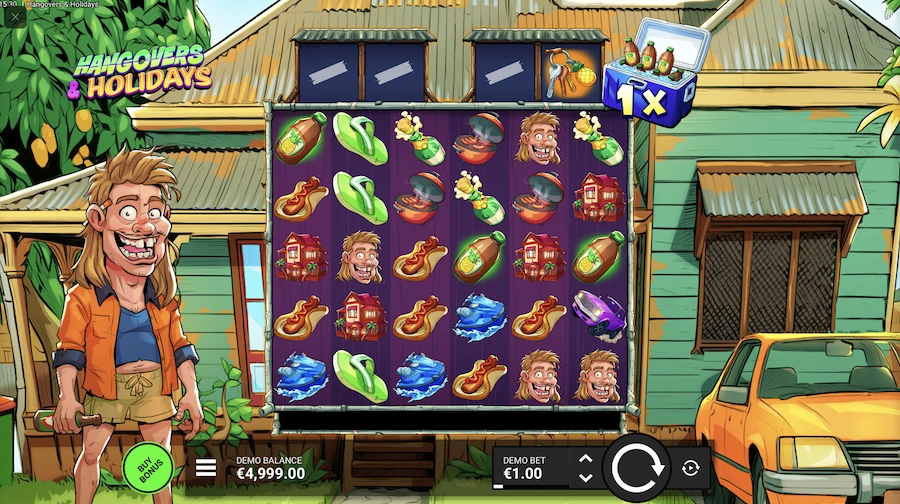
3. Your first three releases arrived in December, April and September, rather than coming out every few weeks. What determines that pace, and how do you handle the pressure to get another game earning revenue when the team thinks it still needs work?
We build premium games, and we put quality before quantity. Each of our first three releases had its own world, original art and animation, and unique features. That takes time, and it’s been the right approach for us. The feedback we’ve received shows that players and partners notice the quality.
We’ve also taken time to build the right team that believes in Pineapple Play’s mission and can retain that quality as we accelerate growth of the studio. Hangovers & Holidays launches on 28 October 2026, and we’re increasing our release cadence through 2027.
4. When a new release performs well, how do you separate a game people actually like from one that simply received a good lobby position or a burst of promotion? Which evidence would convince you that players are choosing Pineapple Play by name?
Launch performance and ongoing performance tell you different things. Lobby placement and launch promotion bring players in, but they don’t bring them back.
The weeks after launch tell you more about the game, and we watch how it’s played over time. That includes rounds played and whether players gravitate to the bonus or spend time on the base game too. Tracked over weeks and months after launch, that shows us whether players are choosing Pineapple Play.
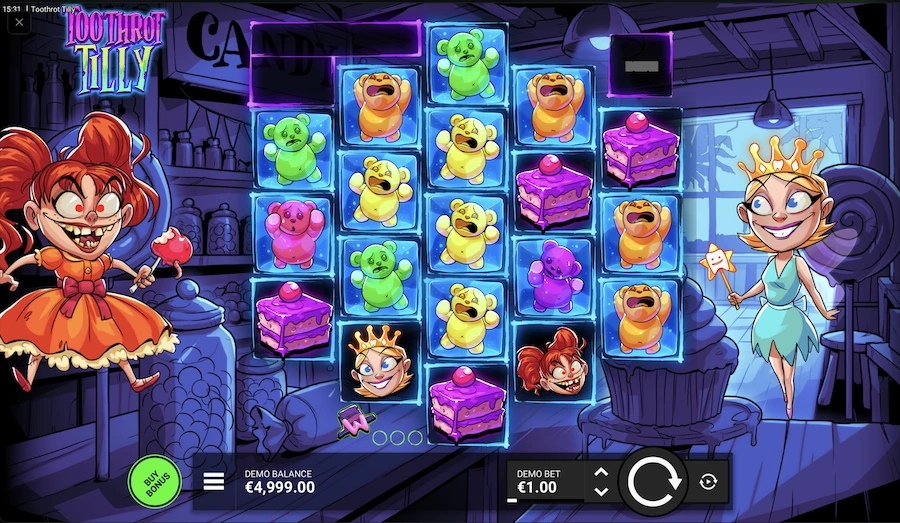
5. Your product pages list both a roughly 96% and a roughly 94% RTP version of each released game. What drives the decision to offer those alternatives, and would you support casinos displaying the active RTP beside the launch button so players could compare versions before opening a game?
We release both versions to meet operator and market demand and include the RTP in our game rules. Different jurisdictions also allow different RTPs, and offering both lets each operator choose the version that best suits their market.
A common misconception is that studios or operators can change RTP whenever they like. They can’t. Every version is reviewed and certified before release.
How that information is displayed on their site is the operator’s call, based on their market and their players. It’s important for players to understand that RTP isn’t a promise of what they’ll get back in a session. It’s a long-run figure, measured over millions of rounds, and in any one session a player can land well above or below it.
Slots are entertainment first, and wins are never guaranteed. Looking at RTP alongside volatility and game features can help players choose games that suit how they like to play, knowing results will vary from session to session.
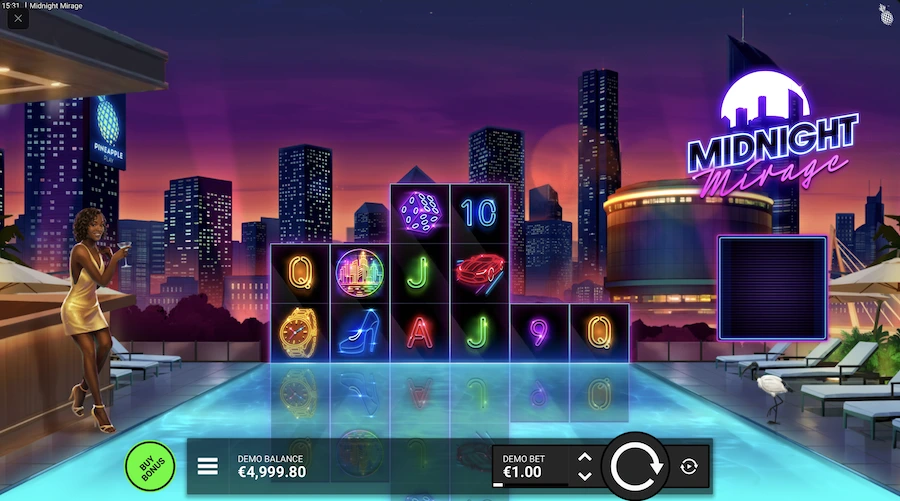
6. Midnight Mirage advertises a 25,000x maximum win, while Coconut Chaos and Toothrot Tilly offer 10,000x. When deciding those limits, how do you weigh the headline appeal against the payouts players are more likely to encounter? What does the maximum-win number leave out?
We don’t set max wins for a headline. It’s one consideration in the wider game design, and different games call for different max wins depending on the game type and the gameplay we’re going for.
Games with higher max wins tend to lean towards higher volatility, which generally means longer gaps between wins and bigger payout potential. That appeals to some players, but it isn’t for everyone.
7. Imagine Pineapple Play becomes a much bigger business over the next five years. What would success look like beyond revenue and release numbers, and what’s one industry habit you’d refuse to adopt, even if it helped you grow faster?
Success for us would be Pineapple Play games being recognised before our logo or name is seen, and our games being sought out years after launch with strong characters that return across games in new adventures. We also see success as being a studio people want to work and grow with, where even the strangest idea at the table gets heard.
What I’d refuse to adopt is prioritising quantity over quality. We build quality games, and every release earns its place. While AI could make it easy to churn more of the same games out quickly, we stay selective about the games we make and don’t compromise on the quality of the production.