
Big Time Gaming’s Nik Robinson on Slot RTP, Volatility and Max Wins
Big Time Gaming (BTG) created Megaways™, the mechanic now licensed to studios across the slots industry, and has just marked ten years of Bonanza with Bonanza More Gold. We asked founder and CEO Nik Robinson about the maths side of slot design – RTP, volatility and max wins – and what players should take from the data they see on casino tracking sites like CasinoTrackpot.

1. CasinoTrackpot readers follow live RTP and results data closely. What do you wish more players understood about RTP?
That it’s a long-run figure. When a game is listed at 96%, that’s measured over millions of spins, and it tells you very little about what happens in a single evening. You can have a brilliant hour on a 94% game and a miserable one on a 97% game, and neither means anything is wrong with either game.
The other thing worth knowing is that a lot of games now come in more than one RTP version, and it’s the casino that picks which one it runs. Bonanza More Gold has several. If RTP matters to you (and it should), check the game’s info screen at the casino you’re actually playing at, rather than assuming the figure you read in a review is the one in front of you.
2. How does BTG decide where a new game sits on the volatility scale?
We think about the session first and the number second. Extra Chilli More Chilli sits at 7 out of 10 on our scale. The free spins have plenty of upside, and Power Play is there for anyone who wants the Chilli Bonus Respins turning up more often in the base game.
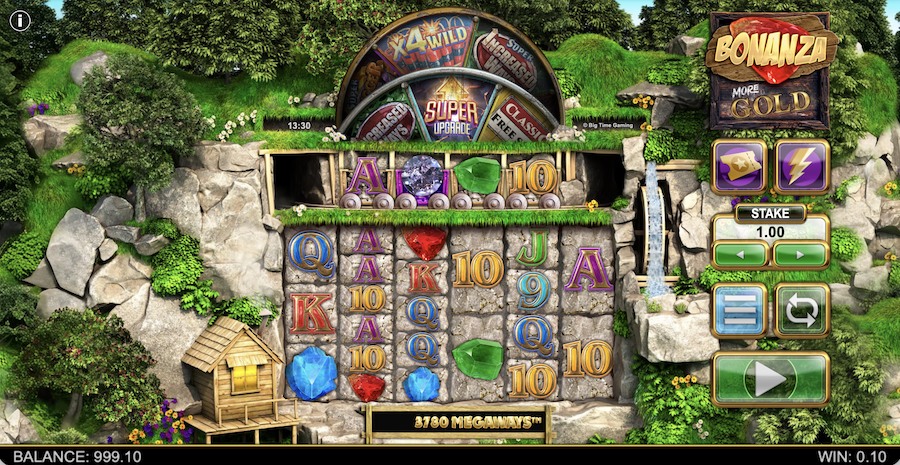
Bonanza More Gold is high volatility because so much of the game is built around what the multipliers can do once free spins get going. Where I think people go wrong is treating high volatility as automatically better because it sounds more exciting. It suits some players and really doesn’t suit others, which is why we’re clear about where each game sits.
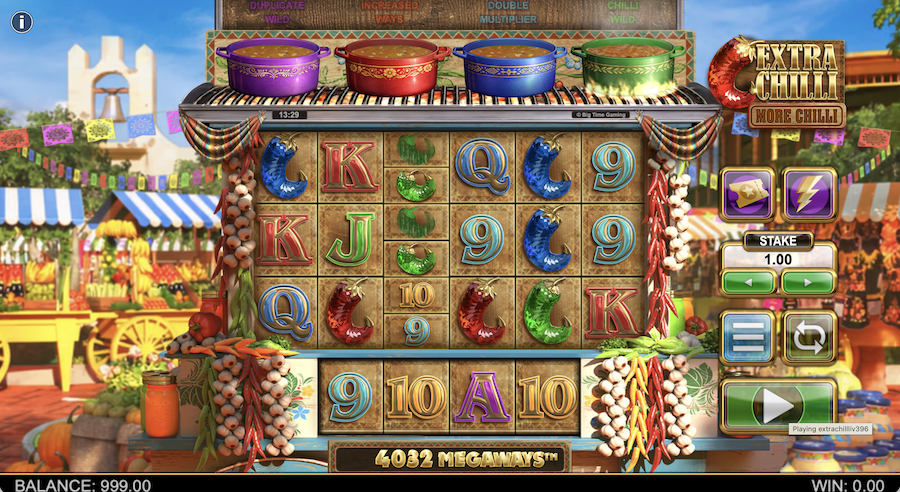
3. Max wins have climbed sharply across the industry, and Extra Chilli More Chilli goes up to 30,000x. How much does that headline number matter to players?
A big max win tells people the game has a high ceiling and that something special is possible, but it’s a ceiling almost nobody reaches, and I think the industry has got a bit carried away with it. What players feel day to day is everything underneath, how often the features land and whether a decent win feels decent.
With Extra Chilli, the jump from the original’s 20,000x to 30,000x mostly comes from the new Chilli Bonuses stacking with a multiplier that has no cap. Big-win replays are great to watch, and I understand why people love them. They just show the very top of a very tall pile.
4. Megaways™ is now licensed to studios right across the industry. When you see another studio’s Megaways™ game, what separates a good one from a forgettable one?
Whether the Megaways™ is actually doing a job. Variable reels are great for variety, but on their own they’re just a lot of ways to win. The good games give that variety something to feed, like a multiplier or a collection feature that gets more out of a bigger reel, so the reel heights matter to what happens next. The forgettable ones tend to treat Megaways™ as a label on an existing game and leave it there. I’m always pleased when another studio does something with it we hadn’t thought of. That’s one of the nicest parts of licensing it out.
5. Megadozer™, which debuted in Bonanza Falls, was built from scratch. How do you go about creating a new mechanic?
Usually, it starts with a feeling we want to recreate, and the maths comes afterwards. Megadozer™ came from coin-pusher machines, the kind you’d find in any seaside arcade, where you’re watching a pile of coins teeter on the edge and willing it to drop. That tension is easy to understand and surprisingly hard to put inside a slot.
Once you know what you’re after, there’s a long stretch of building and testing until the maths supports the feeling instead of fighting it. And whatever it is has to make sense to a player within a few seconds. MegawaysTM and MegadozerTM are both very busy under the bonnet, but nobody needs that explained to them to enjoy either.
6. Sites like CasinoTrackpot let players see how games perform in far more detail than they used to. Is that a good thing for studios?
On the whole, yes. More transparency keeps everyone honest, and players who understand what they’re looking at tend to play more sensibly. My only caution is about sample size. A tracker showing a few hundred spins can look dramatic in either direction, and it’s tempting to read a pattern into it that isn’t really there. Slots are random, and short runs are noisy. Over a long enough stretch the numbers settle towards what the maths says they should be, and that’s when the data is at its most useful. By all means use it – just give it time before you draw conclusions from it.