
Sparkle Gaming Interview – The Maths Behind Slots and Crash Games
How can two versions of Atlantis Riches have the same theoretical RTP when one has 10 paylines and the other has 20? CasinoTrackpot put that question to Sparkle Gaming as part of a closer look at the maths behind its games. The team also explains what makes Golden Dragon a high-volatility slot, what happens when you take half your winnings in Lucky Coin, and why the last round of Coin Climb tells you nothing about the next.
1. When developing a new slot, do you start with the mathematical model, the core mechanic, or the theme?
In Sparkle Gaming, we do not follow a single approach when developing new games. Sometimes the process begins with a theme, sometimes with an interesting mechanic, and sometimes with a mathematical concept. We believe the best games are created when all these elements come together harmoniously.
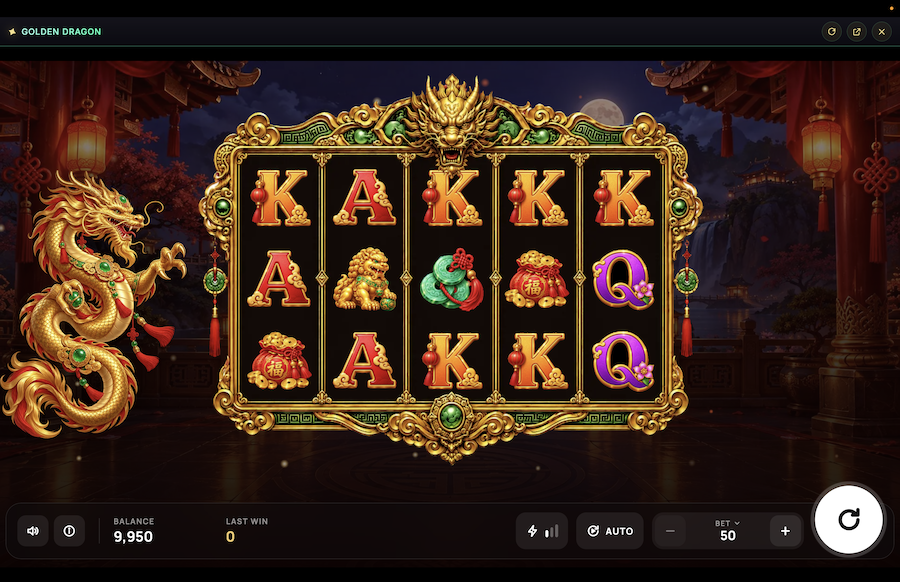
For example, Golden Dragon combines a distinctive visual theme with a mathematical model that creates a high-volatility gameplay experience. Our goal is to create games with a unique identity that are not only visually appealing but also offer an engaging playing experience.
2. Golden Dragon is described as a high-volatility slot. How do you define this characteristic?
High volatility means that significant wins generally occur less frequently but can be considerably larger. It is determined by the mathematical model, including the distribution of symbols, combinations and bonus events. Win frequency and bonus frequency are separate mathematical metrics.
3. How does changing Atlantis Riches from 10 to 20 paylines affect its mathematics?
Changing the number of paylines affects the distribution of winning combinations and the size of individual payouts. At the same total stake, players may experience differences in win frequency and win sizes. With properly balanced mathematical configurations, both versions can maintain the same theoretical RTP.
4. How does RTP configuration work at Sparkle Gaming?
Our platform supports flexible RTP configuration depending on the game and integration setup. Operators can manage the available settings through the Back Office. Each RTP corresponds to a specific mathematical configuration of the game and represents its theoretical return over the long term.
5. How does taking half of the winnings work in Lucky Coin?
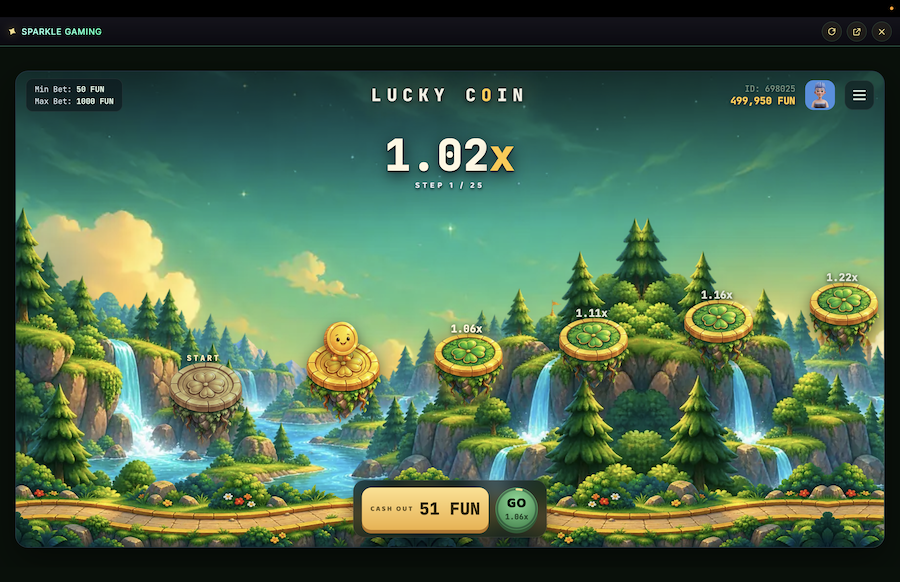
Lucky Coin allows players to collect part of their accumulated winnings and continue playing with the remaining amount. For example, with $100 in winnings, a player can collect $50 while leaving the other $50 in play. This gives players control over the amount at risk without changing the mathematical probabilities of future game events.
6. How are crash points generated in Coin Climb and Meltdown?
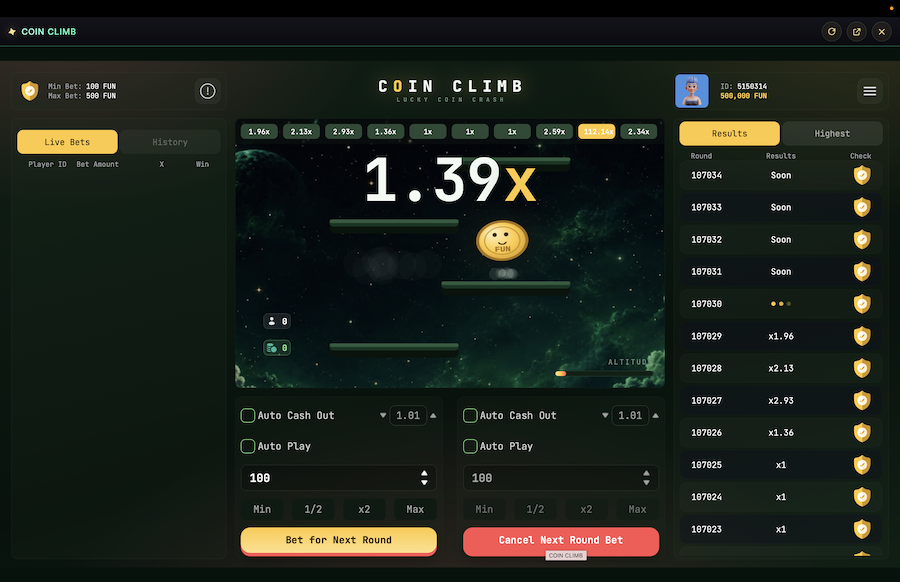
Crash points are generated according to the game’s mathematical model. The higher the selected cash-out multiplier, the lower the probability of reaching it. Each round is generated independently, so previous results cannot be used to predict future outcomes.
7. What independent testing or certifications validate the mathematical models and RNG of your games?
We pay close attention to mathematical validation and the technical reliability of our games. It is important to distinguish between internal validation, independent laboratory testing and official certification. In games featuring a Provably Fair mechanism, players can independently verify individual outcomes; however, this does not replace independent testing of the entire mathematical model.